

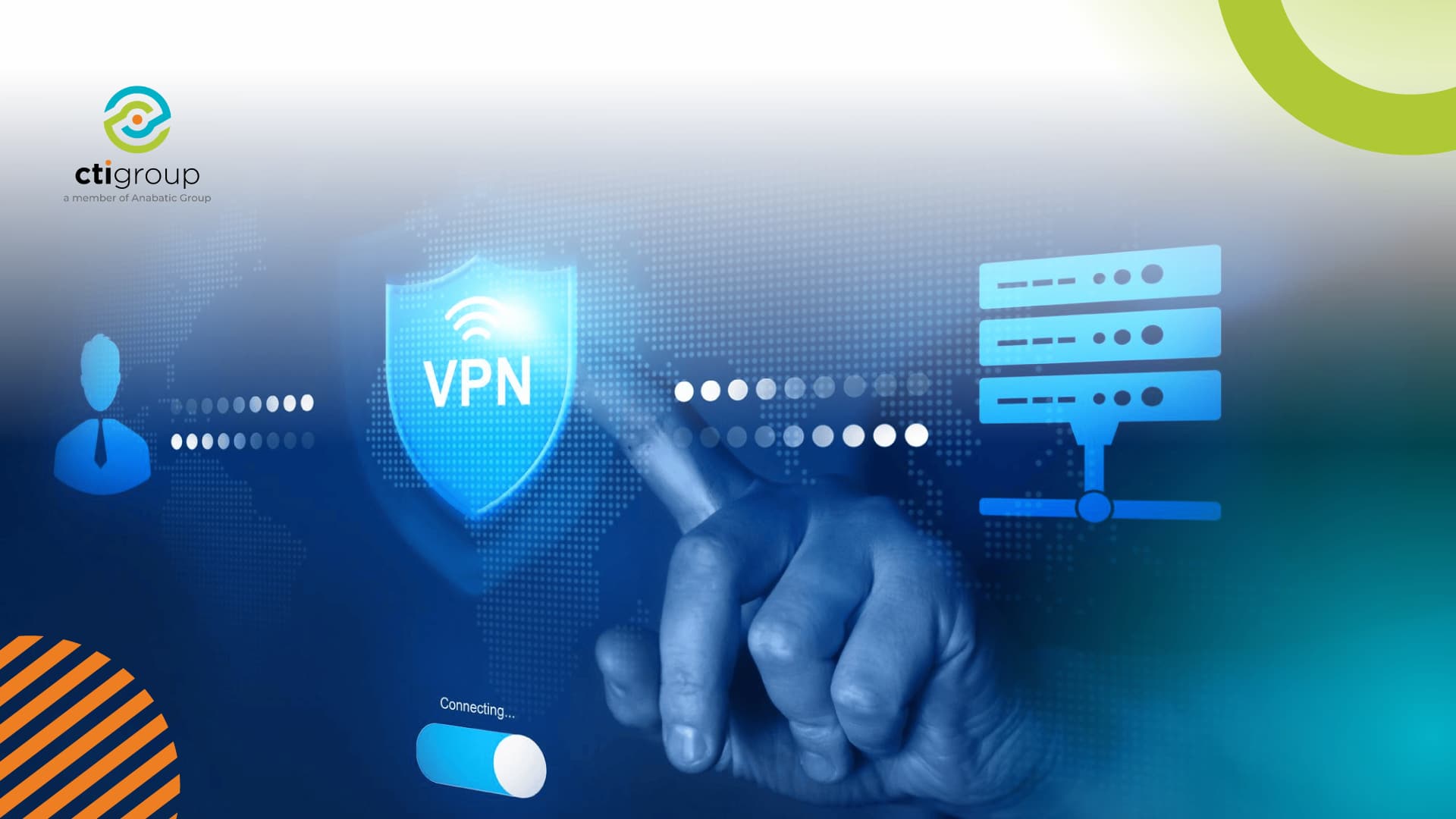
Online activity has become part of everyday life. From remote work and virtual meetings to accessing office systems, checking email, or making transactions over public Wi-Fi, we rely on internet connectivity more than ever. The downside is that the more frequently we connect online, the greater the risk of our data being exposed.
Free Wi-Fi networks in cafés, airports, or public spaces may be convenient, but they are often not built with strong security standards in mind. At the same time, hybrid work models require employees to access internal company systems from outside the office environment. These conditions make connection security a growing concern.
In this context, VPNs, or Virtual Private Networks, are often mentioned as a solution for safer internet connections. Unfortunately, many people use VPNs without fully understanding how they work or what benefits they actually provide.
What Is a VPN and How Does It Work?
Simply put, a VPN is a technology that creates a secure connection between a user’s device and a destination network over the internet. Although it operates on a public network, the connection itself remains private.
Think of it like sending an important letter. Without a VPN, the letter is sent without an envelope, and anyone along the way could potentially read it. With a VPN, the letter is sealed in an envelope and can only be opened by the intended recipient. That’s the basic concept behind how a VPN works.
When a VPN is activated, data sent from the device is encrypted before it travels across the internet. The encrypted data is then routed through a VPN server before reaching its destination. This process prevents other users on the same network, such as those on public Wi-Fi, from seeing or intercepting the data.
In addition to protecting data, a VPN also masks the user’s real IP address. As a result, online activity becomes more difficult to trace directly back to a specific device or location.
Key Benefits of Using a VPN
Through encryption and private connection paths, a VPN delivers several key benefits. It helps protect sensitive data, such as login credentials or work-related information, especially when using networks that are not fully secure. A VPN also adds an extra layer of privacy by limiting unauthorized visibility into online activity.
For professionals, VPNs enable secure access to internal company networks without the need to be physically present in the office. This combination of security and flexibility is what makes VPNs increasingly relevant, not only for IT teams or large enterprises, but also for individuals who are actively working and operating in today’s digital environment.
Why Is a VPN Needed for Both Individuals and Businesses?
In practice, not all internet connections offer the same level of security. Public Wi-Fi networks are often vulnerable, as data can be accessed or intercepted without users realizing it. In situations like this, a VPN acts as an additional layer of protection.
For individuals, a VPN helps secure personal data when connecting to networks that are not fully trustworthy. For businesses, VPNs play a critical role in supporting remote and hybrid work by allowing employees to access internal company systems from outside the corporate network securely.
Beyond security, VPNs also help organizations maintain control over access to sensitive data and critical applications. Without this mechanism, the risk of data breaches, unauthorized access, and operational disruptions becomes significantly harder to manage.
What Should Be Considered to Ensure a VPN Works Effectively?
To function properly, a VPN must meet several basic requirements. It should provide strong data encryption and a stable connection, ensuring that work activities and access to critical systems are not disrupted. Ease of use across multiple devices is also an important factor, especially in flexible and mobile work environments.
Equally important is having a clear and transparent privacy policy. This helps users understand how their data is handled and protected while using the VPN service.
Read More: 5 Reasons Why Your Business Should Switch to Network Automation
A Brief History of VPNs: From Enterprise Needs to Everyday Use
Before VPNs became widely known as they are today, the need for secure remote connections had already existed for quite some time. Organizations needed a way to connect employees and internal systems without requiring everyone to be in the same physical location. However, early networking technologies were not designed with modern security concepts in mind.
In the early stages, remote connectivity relied on private networks or dedicated lines that were expensive and limited in scale. This challenge led to the development of VPNs, which leverage the public internet while still providing secure connections through encryption and authentication.
Early VPN solutions were primarily used in enterprise environments. Their main purpose was to connect headquarters with branch offices or to provide secure access for employees working outside the office. Over time, VPN technology became more stable, flexible, and easier to deploy.
Today, VPN usage is no longer limited to large organizations. Individual users increasingly rely on VPNs to protect their everyday internet connections and online activities.
Types of VPN You Should Know
As connectivity needs continue to grow, VPN technology has evolved into several types, each designed for different use cases. In general, VPNs can be categorized based on how the connection is established and the environment they are used in, whether for individuals, businesses, or network-to-network connections.
SSL VPN
SSL VPN is commonly used to provide secure access to specific applications or systems through a web browser or lightweight client. This type of VPN is relatively easy to use because it doesn’t always require complex installation. Many organizations rely on SSL VPN to grant limited access to employees or external partners without exposing the entire internal network.
Site-to-Site VPN
Site-to-site VPN is designed to connect two or more separate networks, such as headquarters and its branch offices. This connection runs continuously and operates at the network level rather than per user. It is widely used by organizations with multiple locations, as it allows data to flow securely and consistently between networks.
Client-to-Server VPN
This is the most common type of VPN used by individuals and remote workers. Each user connects to the target network through a VPN application installed on their device. This model offers high flexibility, allowing users to securely access internal company systems or specific services from anywhere, if they have an internet connection.
How to Use and Install VPN Across Different Devices

One of the main reasons VPNs are widely adopted today is their flexibility. VPNs can be installed not only on computers, but also on various devices we use every day. The installation method depends on the device and the intended use case.
VPN Client on Computers
Installing a VPN client on a computer is the most common approach. The application is usually provided by the VPN service provider or the company’s IT team. Once installed, users simply log in and activate the VPN connection. This method offers better control and more consistent security compared to other options.
VPN via Browser Extension
Some VPNs are available as browser extensions. This option is practical for quick use, especially when protection is only needed while browsing the web. However, the security coverage is typically limited to browser activity and does not protect the entire device from connection.
VPN on Smartphones and Tablets
VPNs can also be used on mobile devices, including Android and iOS. Installation is usually done through the official VPN app or built-in operating system settings. With a VPN on a smartphone, users can maintain secure connections even when switching to networks, such as moving from public Wi-Fi to mobile data.
Router-Based VPN
VPNs can be configured directly on a router, allowing all connected devices to be protected automatically. This approach is suitable for home networks or small offices. However, the setup process is more technical and requires a router that supports VPN functionality.
VPN in Enterprise Environments
In corporate secure environments, VPNs are typically managed centrally by the IT team. Configuration includes access control, user authentication, and connection monitoring. This centralized approach ensures that only authorized users can securely access internal company systems.
How Is a VPN Really Safe?
VPNs are often seen as a fully secure solution. Like any other technology, a VPN is not absolute protection. The level of security it provides depends heavily on how the VPN is implemented, configured, and managed.
A VPN can encrypt connections and protect data as it travels across public networks. However, it does not automatically shield users from other threats such as malware, phishing attacks, or misconfigurations. This is why a VPN should be viewed as one layer within a broader digital security strategy, not the only line of defense.
It’s also important to note that not all VPN services offer the same security standards. There are significant differences in underlying technologies, privacy policies, and how user data is handled.
Read More: How Secure is Your Operating System’s Security? Hidden Risks You Should Know
Tips for Choosing a Secure VPN Provider
To ensure optimal protection, there are several key factors to consider when selecting a VPN provider. First, choose a provider with a strong reputation and transparent communication about how their service works.
Second, pay close attention to the logging or data retention policy. A secure VPN should clearly explain how user data is recorded, stored, or not logged at all. Finally, make sure the VPN supports reliable security standards and receives regular updates to address evolving threats.
With the right provider and proper usage, a VPN can be an effective tool for securing internet connections when used consciously and aligned with actual needs.
Explore VPN and Network Security Solutions with CTI Group
Integrating technologies like VPN into a company’s digital infrastructure requires the right approach, especially to ensure security, performance, and scalability remain balanced. This is where an experienced enterprise technology provider plays a critical role.
CTI Group is a technology and digital solutions provider with decades of experience supporting organizations in designing and implementing reliable network security and IT infrastructure. Backed by over two decades of expertise and a strong global partner ecosystem, CTI Group helps businesses address security needs, including VPN deployment, as part of a comprehensive IT security strategy.
Learn more about how our technology solutions can help strengthen your business’s digital security and connectivity through the link below.
Author: Wilsa Azmalia Putri – Content Writer CTI Group

