
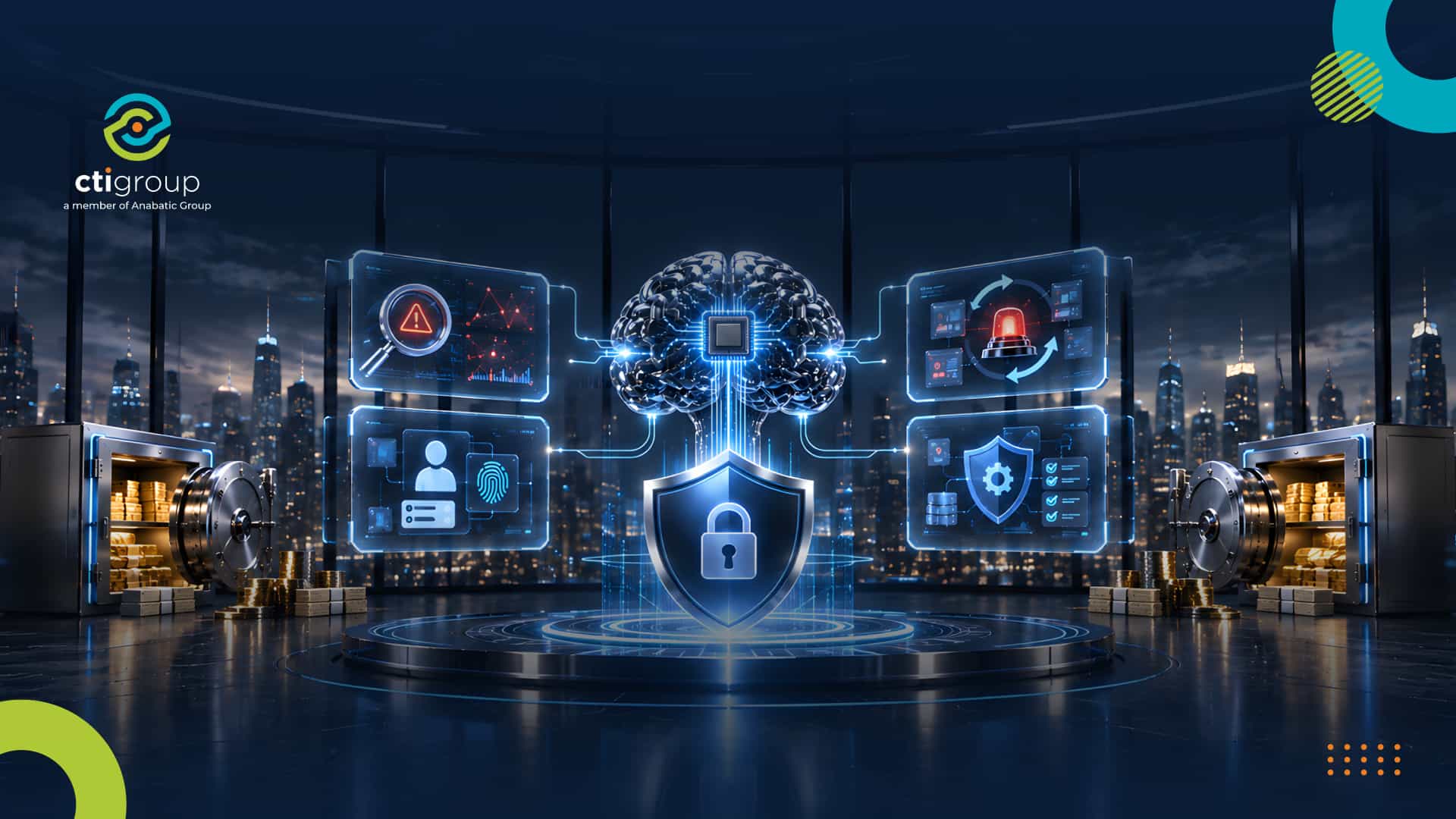
A login from an unfamiliar location. An unusual surge in downloads. Unexpected activity in a customer app. At a financial institution, each signal may surface in a different system and raise questions on its own. Together, they could point to a larger threat.
The challenge is making that connection while new alerts keep coming. An AI agent for finance can bring related signals and supporting evidence into one initial view. Security analysts can then check the findings, focus on the most urgent cases, and weigh the effect of a response on customer services.
Why Do AI Agents Matter for Financial Cybersecurity?
Rules-based automation handles alerts through predefined steps. It works well when an incident follows a known scenario, but an unexpected clue may require the security team to decide where to look next.
With access to approved tools, an AI agent can follow that clue across systems and suggest the next step in an investigation. For example, an unusual account login might prompt a check of the device involved. Analysts still need to review the evidence before taking action.
Where Can AI Agents Help Financial Security Teams?
An agent’s role depends on the data it can access and the actions it is allowed to take. Within those limits, it can support several parts of the security workflow.
Threat Detection and Investigation
Suppose an account signs in from a new location and then downloads a large volume of data. An agent can check access history, device activity, and related alerts to see whether the behavior warrants a closer look. It presents the findings with supporting evidence for an analyst to assess.
Incident Response
Once a threat is confirmed, an agent can build a timeline, identify affected systems, and propose response steps. Actions such as disabling an account or isolating a device should still receive human review, especially when they could disrupt critical services.
Identity and Access Security
An agent can flag accounts whose permissions no longer match a user’s role or identify new users who are missing from an access policy. Identity teams can review those findings and correct gaps in access.
Vulnerability Management
A long scan report does not tell a team what to fix first. An agent can help rank vulnerabilities using the importance of affected systems and available threat information. Security teams decide on remediation, while changes to production systems follow established testing and approval processes.
Also Read: Beyond Detection: How AI Helps Financial Institutions Move from Fraud Alert to Fraud Action
What Can Financial Security Teams Gain from AI Agents?
Connecting signals across systems gives analysts a clearer view of how events may relate. In practice, that can help teams:
- Prioritize alerts using context from other systems.
- Route recommended actions through existing workflows and approval steps.
- Review an initial timeline and supporting evidence instead of assembling every detail from scratch.
What Risks Should Financial Institutions Manage?
An agent that can read sensitive data and use security tools needs clear limits. The broader its access and authority, the greater the potential impact of a wrong conclusion or a malicious instruction.
Excessive Access
Each agent should have its own identity and only the permissions its task requires. An agent assigned to investigate alerts, for instance, does not need permission to change system settings. Sensitive actions should require approval and leave an audit trail.
Wrong Conclusions and Hallucinations
An agent may connect unrelated events or draw a conclusion the evidence does not support. Analysts need to see where its findings came from and verify important recommendations before acting on them.
Prompt Injection
An email, document, or other material an agent reads may contain malicious instructions disguised as task content. That material should be treated as untrusted, and permissions to use security tools should be enforced separately from anything the agent reads.
Data Privacy and Governance
Investigations may involve sensitive customer and company information. Agents should access only the data relevant to their task, with clear rules for storage, protection, and activity logging.
What’s Next for AI Agents in Financial Cybersecurity?
AI agents in finance may take on more of the investigative groundwork, from gathering evidence to preparing recommendations. Agents assigned to threat investigation, identity security, and vulnerability management could also share relevant findings.
As their role grows, analysts remain responsible for setting boundaries, checking uncertain results, and approving actions that could affect customers or services.
Also Read: AI-Driven KYC: Strengthening Identity Verification Against Modern Financial Fraud
Make AI Part of Your Cybersecurity Strategy
Effective use of AI agents starts with connected security data, well-defined access, and response processes that teams can oversee. These foundations help analysts act with better context when a threat emerges.
CTI Group has experience helping organizations build IT infrastructure and strengthen cybersecurity. Through its security solutions portfolio and security operations center, CTI Group supports more focused threat monitoring and incident response.
Learn more about how CTI Group’s security solutions can help financial institutions protect their systems, data, and digital services.
Author: Danurdhara Suluh Prasasta
CTI Group Content Write
